Cricket Articles

Samsung’s 100-Trillion-Won Quarter and India’s Trophy Dynasty: What Systems Beat Stars
Samsung just posted record profits riding an AI memory boom. India just won three consecutive ICC trophies. Neither achievement happened by accident, both reveal how institutional depth, not individual brilliance or quarterly luck, sustains dominance across generational turnover. But Australia’s cricket transition crisis shows what happens when succession planning fails.

How Age Fraud by 65 Cricketers Exposed Systemic Failures in Indian Cricket’s Talent Pipeline
A major documentation audit by the Cricket Association of Bengal uncovered 65 cricketers with falsified birth dates, some with discrepancies spanning nearly a decade. The scandal reveals how absent birth verification, state association incentives misaligned with integrity, and insufficient oversight have allowed age fraud to flourish in India’s junior cricket system.

Spider-Man reflexes, cricket physics: why elite fielders operate like superheroes
The blockbuster Spider-Man: Brand New Day has reignited conversation about superhuman athleticism. But elite cricket fielders, who read a bowler’s intentions in milliseconds and execute impossible catches, actually demonstrate the neural and biomechanical precision the film portrays as fiction. What neuroscience reveals about the real superpowers at work in slip fielding and outfield excellence.

India’s Historic 2001 Eden Gardens Victory: How Laxman and Dravid Broke Australia’s 16-Match Winning Streak
VVS Laxman’s 281 and Rahul Dravid’s 180 combined in a dominant 376-run partnership that rescued India from follow-on and handed Australia their first Test defeat in 16 matches. The victory at Eden Gardens remains one of cricket’s most compelling comebacks.
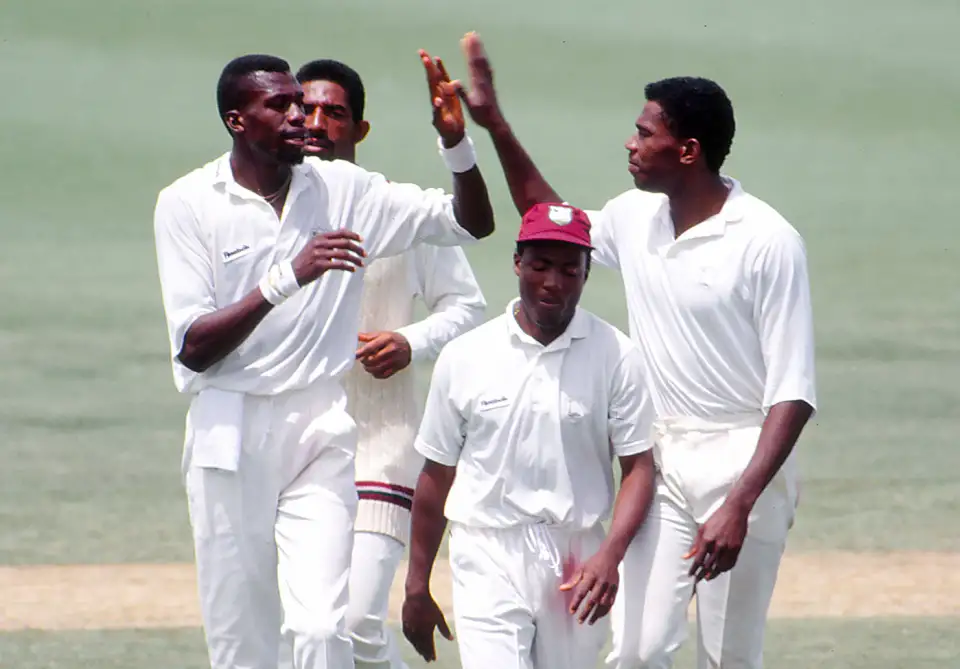
The One-Run Escape: West Indies’ Final Victory Over Australia in 1993
In January 1993, West Indies defeated Australia by a single run at Adelaide—cricket’s narrowest Test victory. With Australia needing just two runs and Craig McDermott at the crease, the match ended in heartbreak for Allan Border’s side, who came closer than ever before to claiming their first Frank Worrell Trophy since 1989–90.
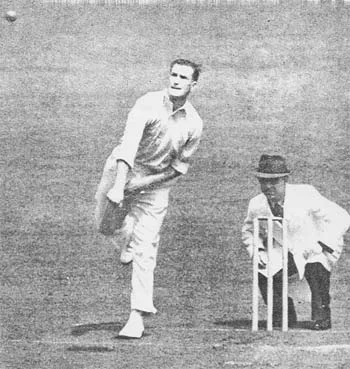
Why Jim Laker’s 19-wicket record is structurally impossible to break
In 1956, England’s Jim Laker took 19 wickets at Old Trafford. No bowler has come close since. The reason isn’t a lack of skill—it’s that modern cricket has evolved in ways that make his feat mathematically and structurally unrepeatable.
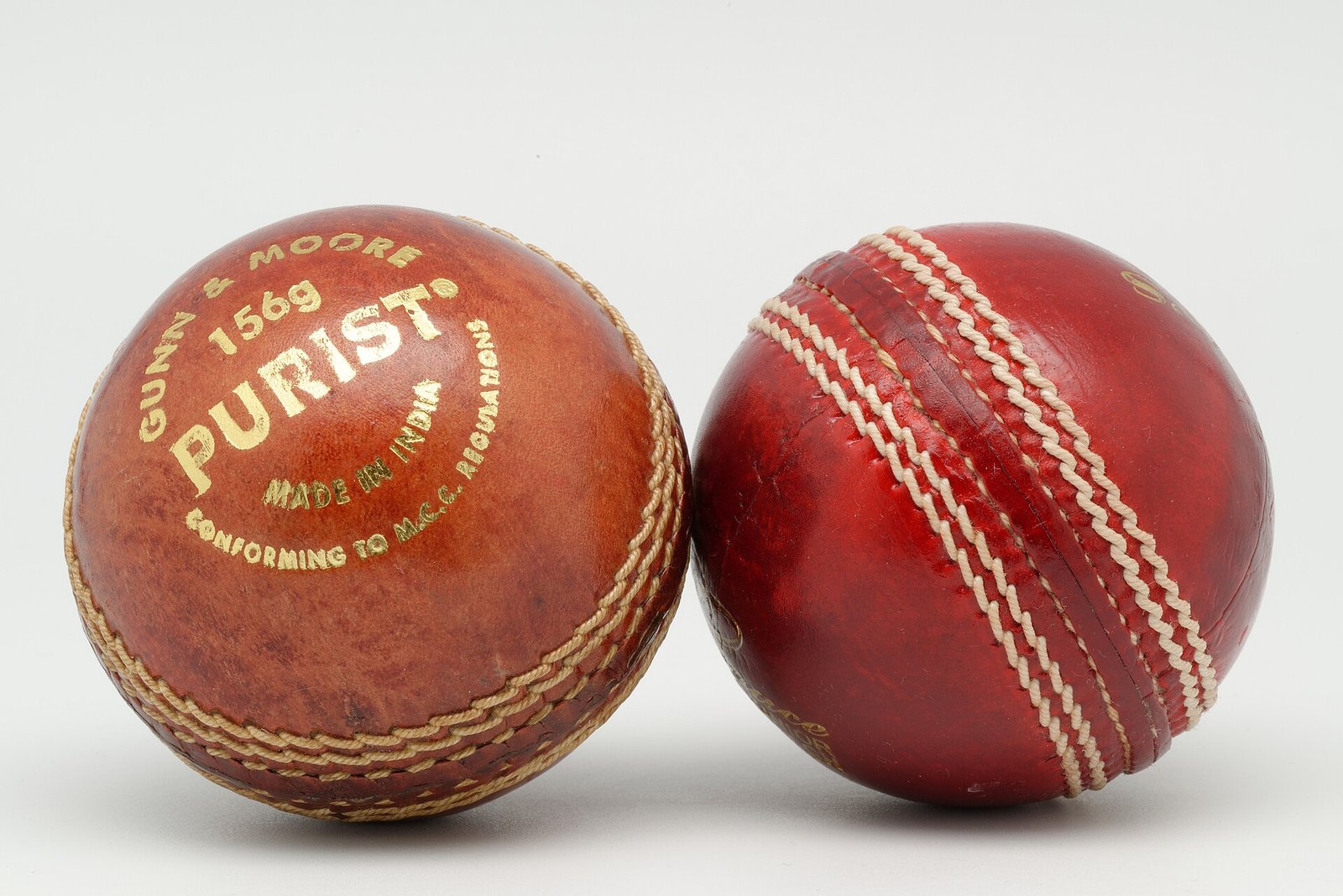
Red, white, pink: why cricket balls changed colour, and what the science actually says
Cricket’s traditional red ball was born from 18th-century dye availability, but day-night Tests demanded white, then pink. Yet academic research reveals an uncomfortable truth: players and umpires find the pink ball harder to see than the red one at the moments that matter most.

Soft Power Without Teeth: How the Artemis Accords and Cricket Governance Survive Without Enforcement
The Artemis Accords and international cricket governance share an unusual feature: neither has binding enforcement mechanisms. Instead, both rely on transparency, reputational pressure, and formal participation rights for smaller players. But this model works only when dominant players remain invested and trust holds—a bargain that becomes increasingly fragile under stress.
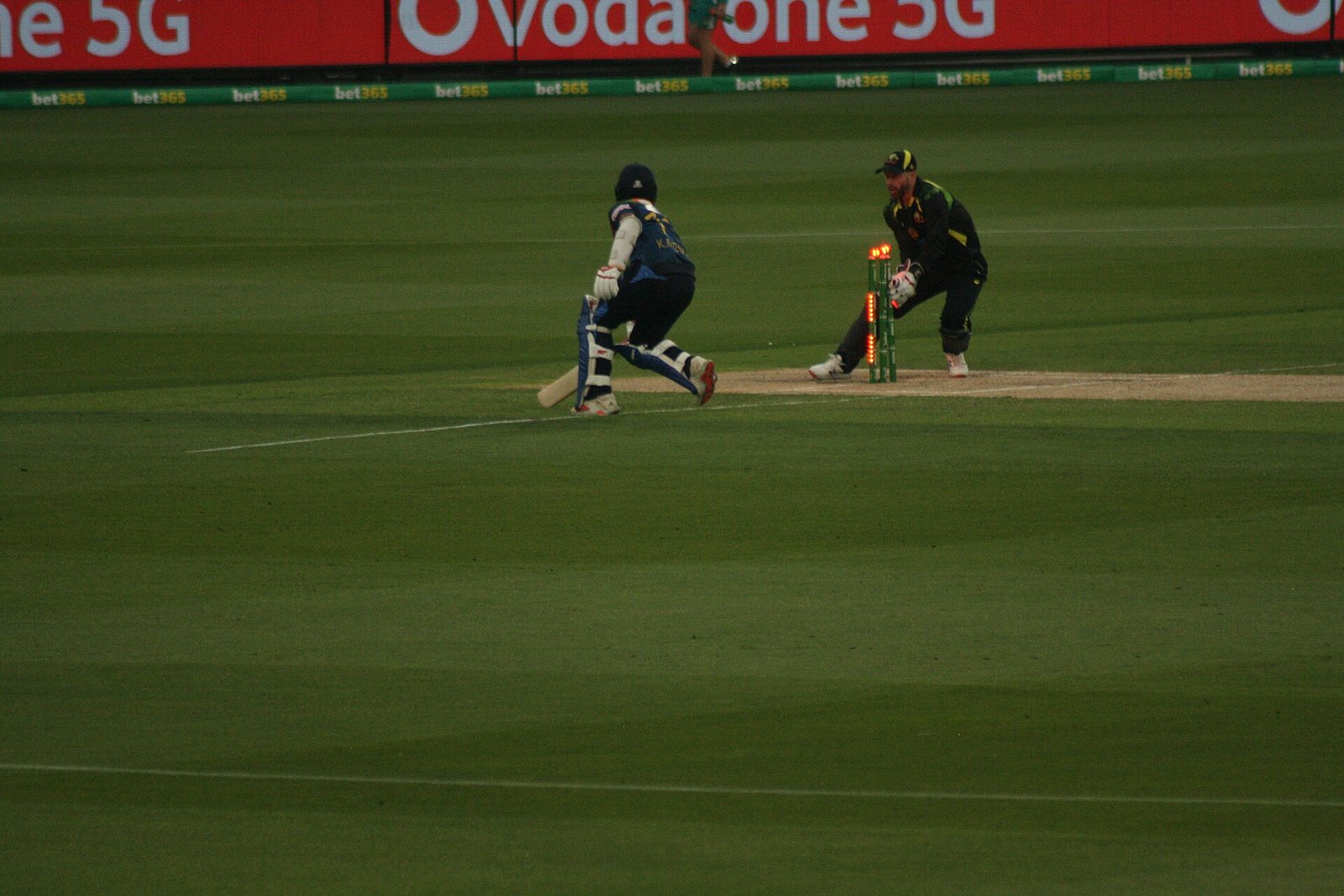
Mendis Out, Asalanka In: How Sri Lanka’s Injury Crisis and Captaincy Split Test Squad Depth Before England
Kusal Mendis’ hamstring injury and Charith Asalanka’s unexpected promotion to T20I captain reshape Sri Lanka’s batting order and leadership just eight days before the tour begins. With recent losses to England still fresh, squad depth and split captaincy now define their white-ball challenge.
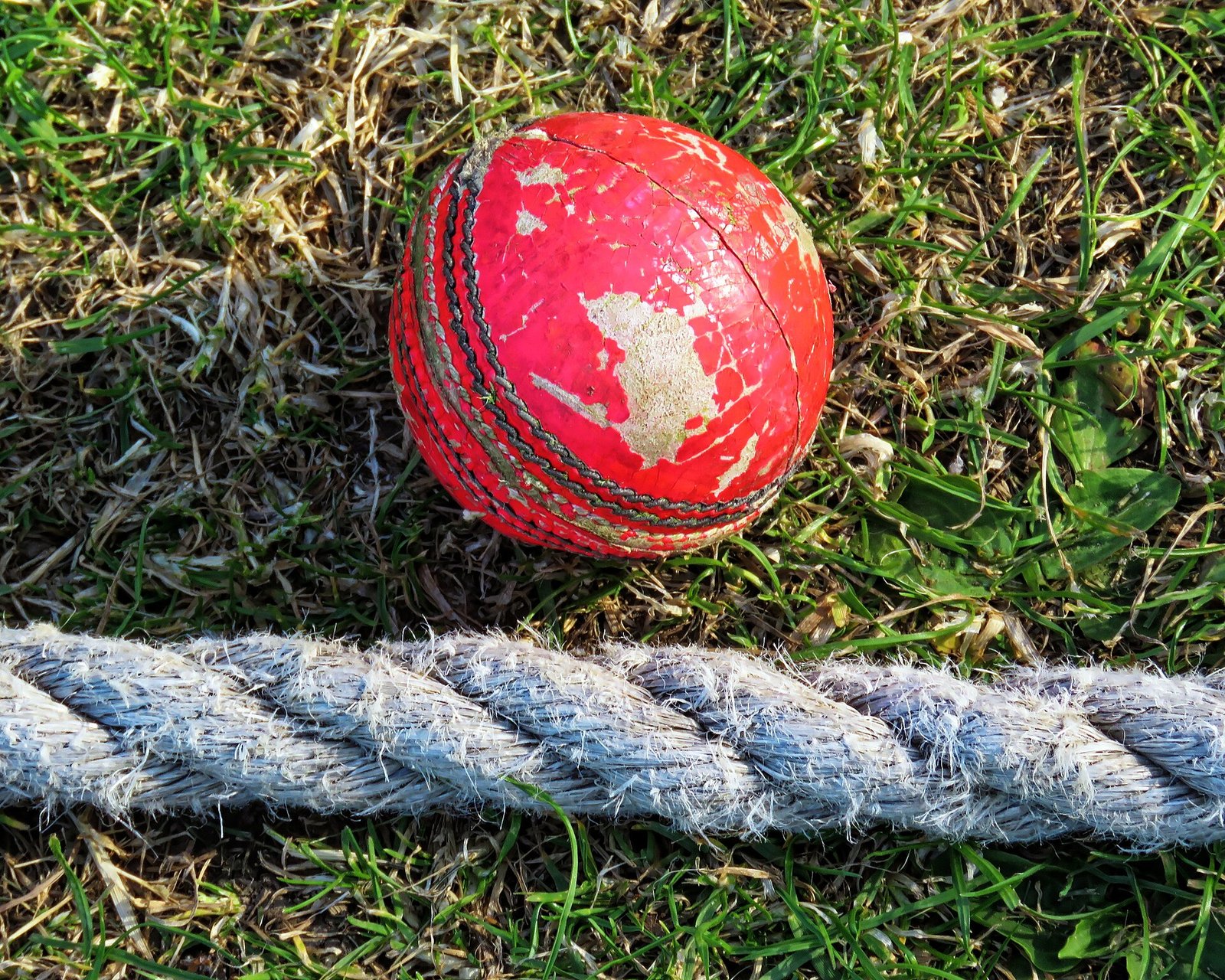
Why Reverse Swing Bends the Ball Toward the Rough Side
At high speed, a worn cricket ball does the opposite of what physics seems to dictate. It swings toward its roughest, most damaged surface—a phenomenon once accused of cheating before aerodynamics proved it real.
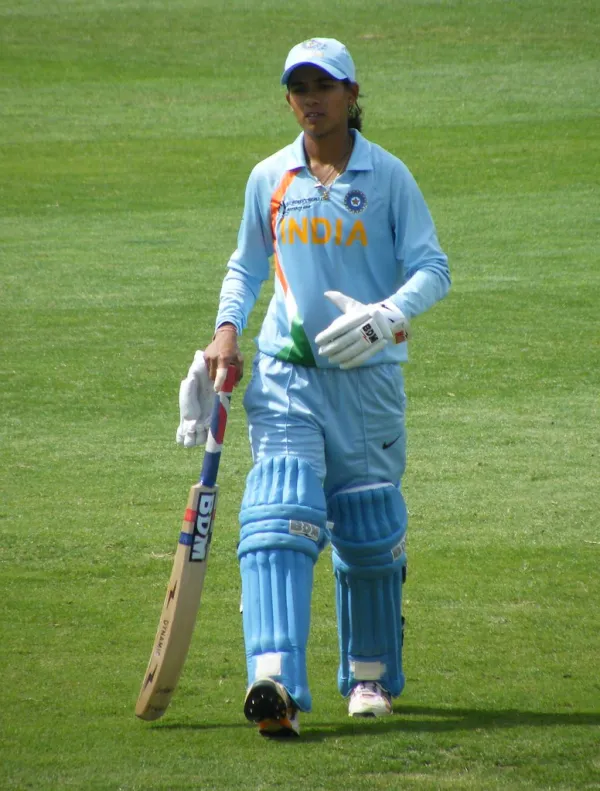
Perfect Pressure: How India’s Chasing Mastery Forged an Unbeaten Asia Cup
India finished the 2025 Asia Cup undefeated, sweeping Pakistan in all three encounters including the first-ever Asia Cup final between the rivals. Their dominance reveals a team that thrives when the scoreboard demands answers—a critical edge heading into knockout cricket.
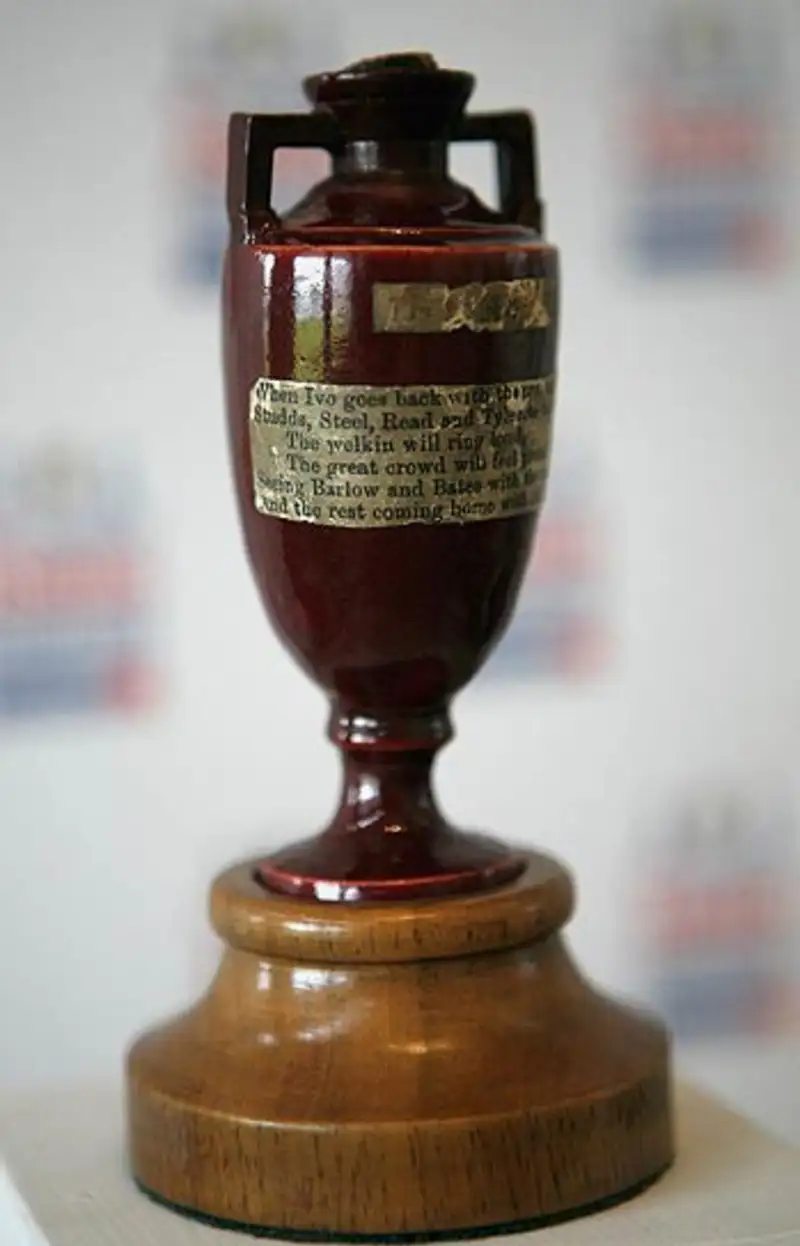
The Obituary That Launched The Ashes: How England’s 7-Run Loss Became Cricket’s Greatest Rivalry
On 29 August 1882, England lost to Australia at home for the first time. Four days later, a satirical mock funeral notice in The Sporting Times declared English cricket dead—and promised its ashes would be taken to Australia. That joke became sport’s fiercest rivalry.

The Match That Never Finished: Why Cricket Abandoned Tests with No End Date
England came within 42 runs of victory after ten days of cricket in Durban in 1939—but a boat home meant they never found out. The timeless Test, designed to guarantee a result, died not on the pitch but in the face of World War II and modern scheduling.

10:35 a.m. Friday: Why the NFL’s Melbourne gamble reveals cricket’s real power in Australia
The San Francisco 49ers and Los Angeles Rams will kick off in Melbourne on 11 September on Netflix—the NFL’s first-ever regular-season game in Australia. It’s a direct test of whether a well-funded American sport can penetrate a nation where cricket unifies regions that rival codes cannot. What the morning kickoff time, the time-zone mismatch, and…
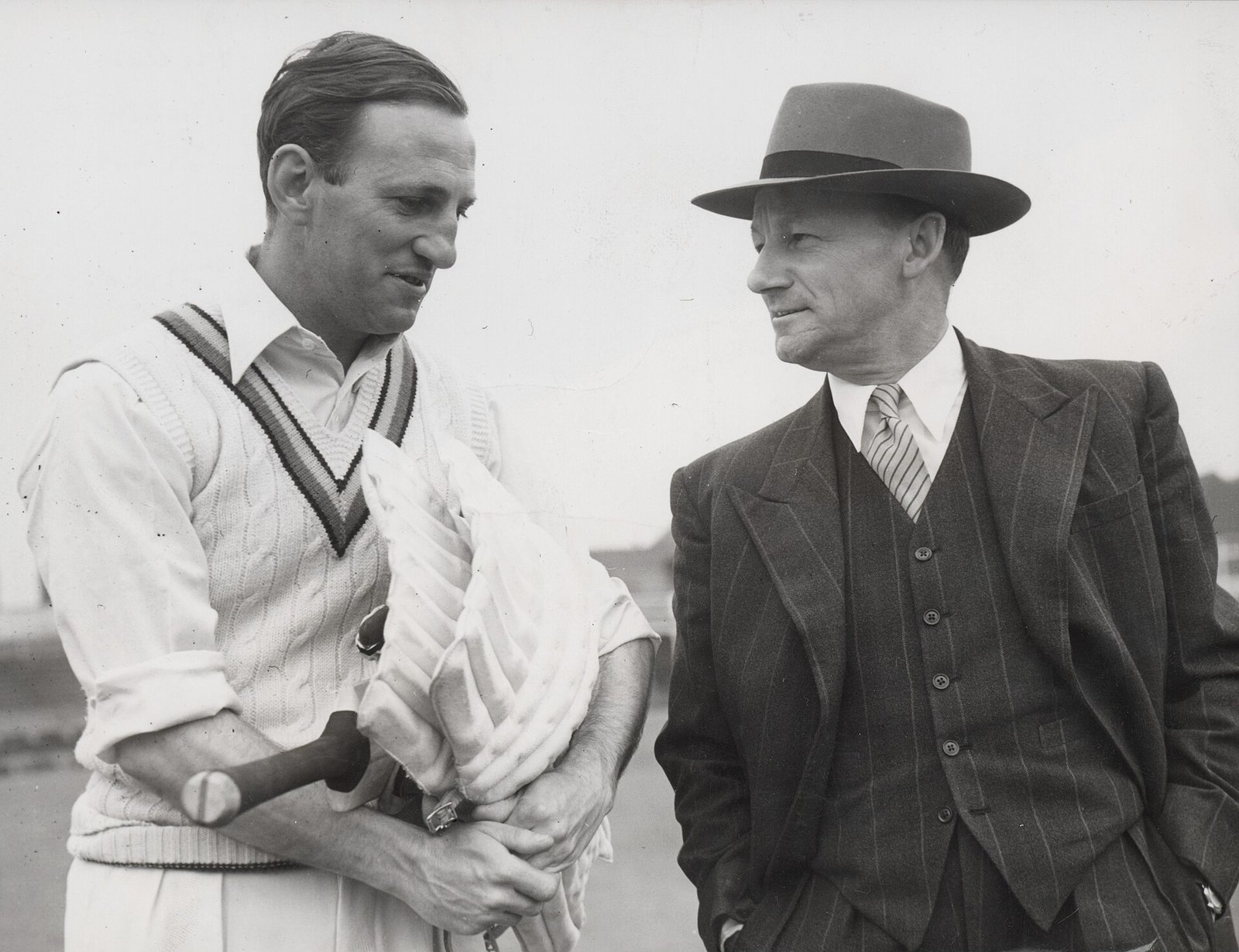
Don Bradman’s 99.94 Average: The 40-Run Gap That No Modern Batter Can Close
Sir Don Bradman’s Test average of 99.94 sits almost 40 runs clear of cricket’s second-best. Statistical analysis shows he exists in a separate universe from all other batsmen—and modern cricket’s structure makes replicating his dominance mathematically implausible.

How Cricket’s Transparency Shift Mirrors Flop-Core’s Authenticity Trend
Social media’s Flop-Core trend celebrates failure over perfection. Cricket’s institutional move toward transparency suggests the sport may be catching up, though cricket creators have yet to adopt the format en masse.
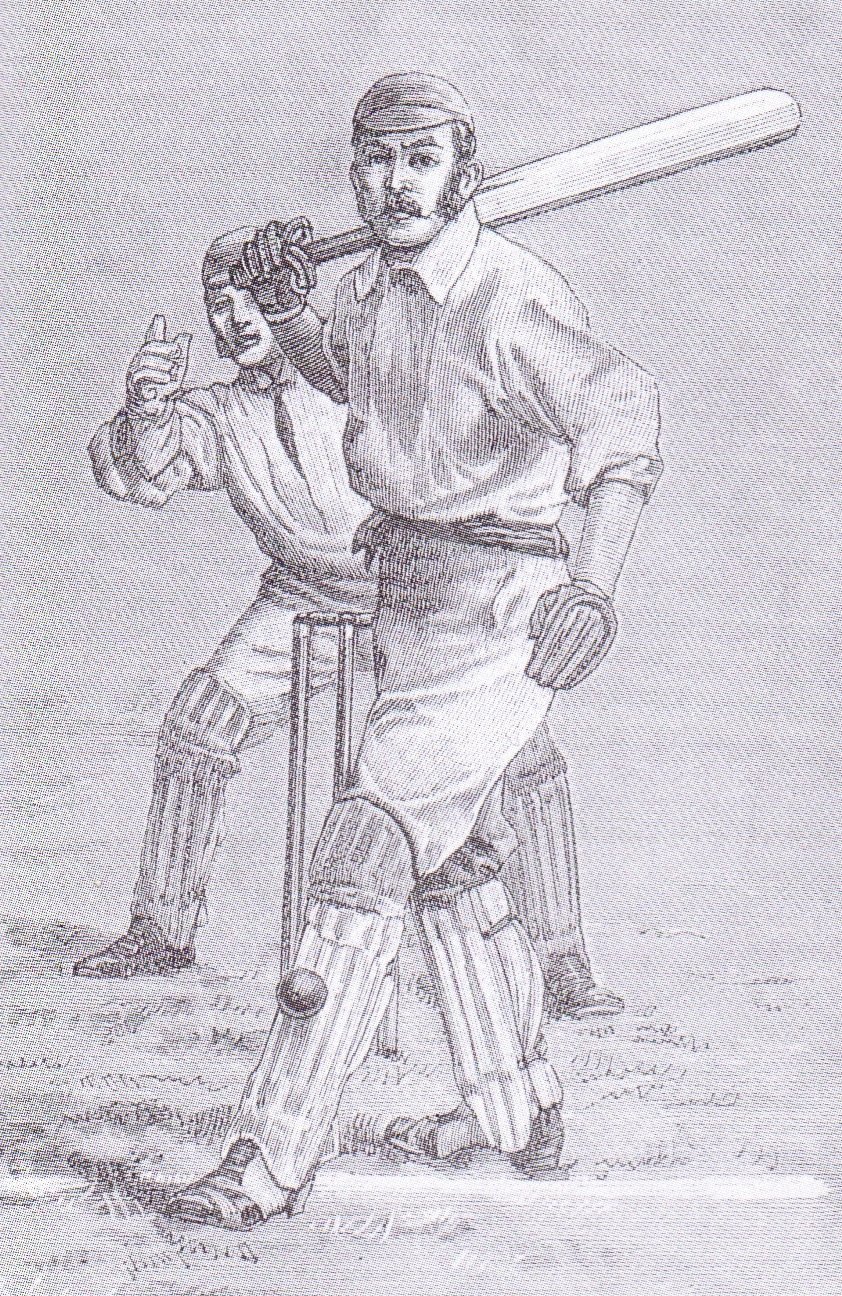
Why Left-Handed Batsmen Get a Hidden LBW Shield (And Right-Handers Don’t)
The leg-before-wicket rule’s asymmetry between left and right-handed batsmen isn’t accidental, it’s baked into the law itself. A century of rule changes has created structural protection that works differently depending on which way you bat.

Curse or Craft? Why Cricket’s Greatest Moments Feel Practically Magical But Rarely Are
As Practical Magic 2 explores whether fate can be rewritten, cricket data reveals a quieter truth: the sport’s most ‘impossible’ catches, comebacks and clutch finishes aren’t mysteries at all—they’re the visible payoff of unseeable preparation. A film about breaking curses offers an unexpected lens on probability, skill and the hindsight bias that makes luck look…

Murder, DRS and the Problem With “Settled” Decisions
Netflix’s September 2026 release of Monster: The Lizzie Borden Story reignites the 134-year debate over an acquittal that never quite settled public doubt. Cricket audiences know this tension intimately: the drama of objective re-examination challenging settled authority. What the case reveals about evidence, finality and the burden of proof has echoes in how the DRS…

From hockey stick to precision blade: how the straight bat saved cricket
Cricket bats were curved like hockey sticks until bowlers began pitching the ball in the mid-1700s. That single change forced batsmen to redesign their equipment—and overarm bowling’s legalization in 1864 simply refined what was already underway.