Quick summary (click to reveal)
Summary: Left-handed batsmen enjoy structural protection under the leg-stump exclusion rule: balls pitching outside leg stump can never result in LBW, no matter the impact. Right-arm bowlers dominate cricket (73% of all bowlers), making this advantage invisible but measurable. Against right-handers, bowled and LBW dismissals account for 37% of all dismissals; against left-handers, only 31%. The rule's complexity, layered across 250 years of amendments, is why most fans don't realise the asymmetry exists.
Full article below.
The leg-before-wicket rule sits at the heart of cricket’s most enduring mystery: why does it feel different to bowl at a left-hander than a right-hander, even when everything else, the bowler’s angle, the pitch conditions, the batter’s technique, appears identical? The answer is not conspiracy or coincidence. It is geometry, history, and a rule so layered with amendments that most casual followers have never understood what they are actually watching.
For 250 years, the LBW rule has been redesigned, patched and reinterpreted to solve problems that previous versions created. Each amendment was rational at the time. Collectively, they have produced a rule that protects left-handed batsmen in ways that are invisible until you stop to work out the mathematics.
How the Rule Actually Works Now
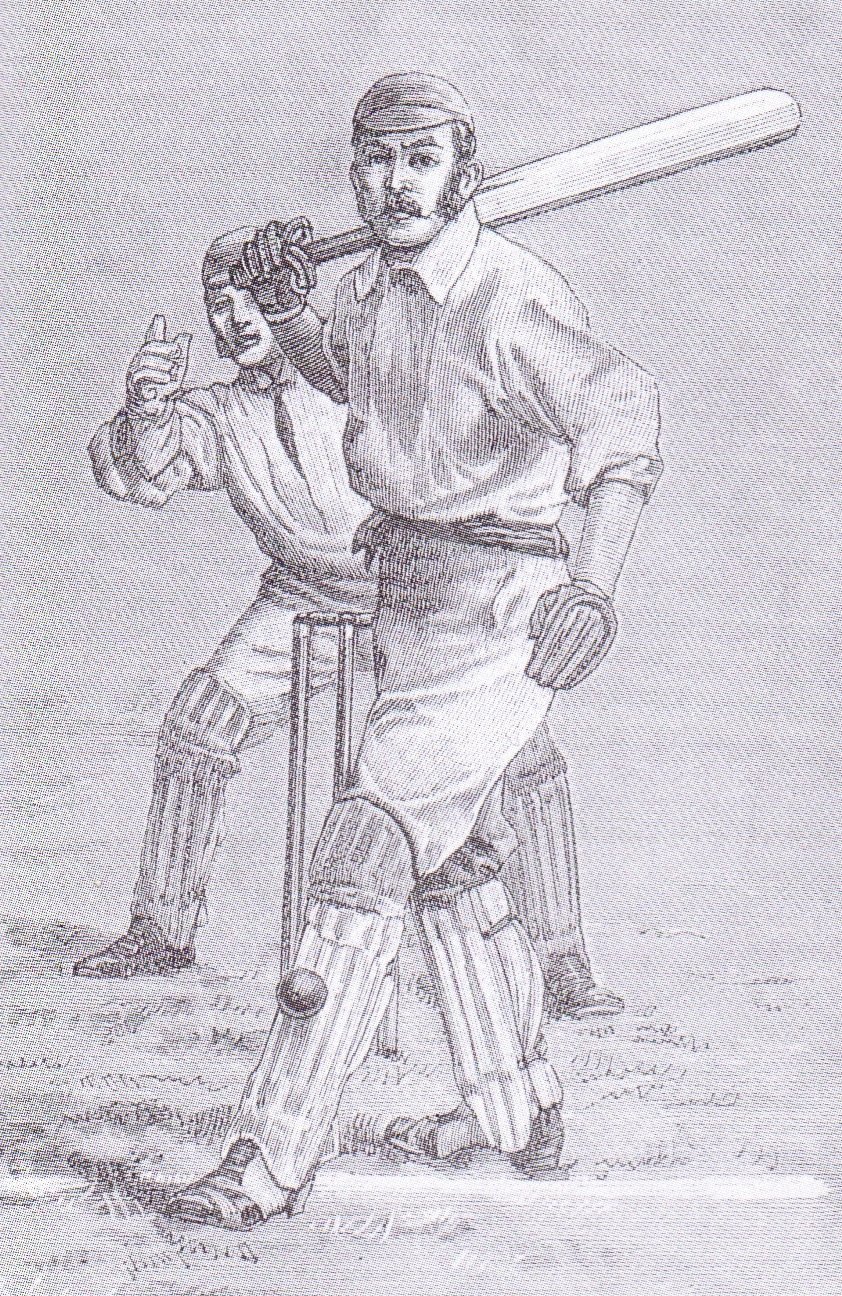
Under Law 36 of the MCC’s Laws of Cricket, a batsman is out LBW if the ball strikes any part of his person between wicket and wicket, provided several conditions are met. The ball must have been going to hit the stumps. The batsman must not have made a genuine attempt to play the ball with his bat (if the impact is outside off stump). And here is the asymmetry: if the ball pitches outside the leg stump, the batsman cannot be dismissed lbw under any circumstances, regardless of where it strikes him or whether he plays a shot.
This leg-stump exclusion rule is not arbitrary. It exists because of cricket’s long struggle with negative tactics. In the 1930s, bowlers exploited an earlier version of the law by pitching the ball deliberately at batsmen’s legs, forcing them to defend their pads instead of attempting to score. The MCC eventually decided that this was destructive to the game. The leg-stump exclusion was meant to prevent bowlers from weaponising deliveries aimed at the legs.
What the framers did not fully account for was what this protection would mean for left-handed batsmen facing right-arm bowlers, who comprise the vast majority of all cricket bowlers.
The Geometry of the Advantage
When a right-arm bowler bowls over the wicket, the most common delivery line, a left-handed batsman receives the ball much closer to leg stump than a right-hander does. Deliveries that pitch well wide of leg stump for a right-hander might pitch closer to the line for a left-hander. The critical difference is this: for the right-hander, those wide deliveries can still result in LBW if the impact is in line, because they pitched in line with the stumps. For the left-hander, anything pitching outside leg stump is automatically excluded from LBW consideration, no matter the impact.
A left-handed batsman facing a right-arm bowler therefore has, literally built into the law, an invisible shield. The ball must land in a narrower corridor to create genuine LBW danger. A right-handed batsman facing the same bowler has no such protection.
The reverse is true: a left-arm bowler facing a left-handed batsman creates a similar advantage for the righty. But because right-arm bowlers represent approximately 73% of all bowlers across Test, ODI and T20 formats, the practical advantage falls disproportionately to left-handers.
What the Statistics Actually Show
The difference is measurable. Across Test cricket, bowled and LBW dismissals combined account for 37% of all ways a right-handed batsman gets out. For left-handed batsmen, that figure drops to 31%. The gap might seem small, but it compounds across a career. A left-hander facing 200 balls from right-arm bowlers across a Test series will, on average, face fewer combinations of pitch and impact that can legally result in LBW than a right-hander facing the same bowlers.
The rule’s asymmetry is not a bug in cricket law—it is a feature, though an unintended one. For more than a century, the MCC has prioritised protecting the integrity of the game against cynical bowling tactics. In doing so, it has inadvertently created a structural advantage for a minority of players. Whether this asymmetry should be corrected remains a live debate among cricket law experts, but for now, it remains baked into the game.
Sources
- How fair is the LBW rule? | PlanetCricket
- Leg before wicket | International Cricket Wiki | Fandom
- LBW
- The evolution of the lbw | ESPNcricinfo
- What is LBW in cricket? – Olympics.com
- Can a Batter Be Out LBW If Impact Is Outside Off? Pitching Outside Off LBW Rule Explained – CricVision
- Leg before wicket
- dissecting lbw