
Cricket stories worth your time
Clear explanations, sharp analysis and curious stories from Australia, South Africa, India and beyond.
Latest Posts
Catch up on the newest stories from Curious Boundary.
-

Samsung’s 100-Trillion-Won Quarter and India’s Trophy Dynasty: What Systems Beat Stars
Samsung just posted record profits riding an AI memory boom. India just won three consecutive ICC trophies. Neither achievement happened by accident, both reveal how institutional depth, not individual brilliance or quarterly luck, sustains dominance across generational turnover. But Australia’s cricket transition crisis shows what happens when succession planning fails.
-
Utah’s AI Prescriptions and Cricket’s Data Problem: When Pattern-Matching Meets the Exception
A new Utah pilot allowing AI to issue initial prescriptions without a doctor’s sign-off mirrors a problem cricket has grappled with for decades: how to trust statistical wisdom when the outlier batsman or pitch conditions demand something different. Both systems face the same question: who is responsible when they fail?
-

How Age Fraud by 65 Cricketers Exposed Systemic Failures in Indian Cricket’s Talent Pipeline
A major documentation audit by the Cricket Association of Bengal uncovered 65 cricketers with falsified birth dates, some with discrepancies spanning nearly a decade. The scandal reveals how absent birth verification, state association incentives misaligned with integrity, and insufficient oversight have allowed age fraud to flourish in India’s junior cricket system.
-
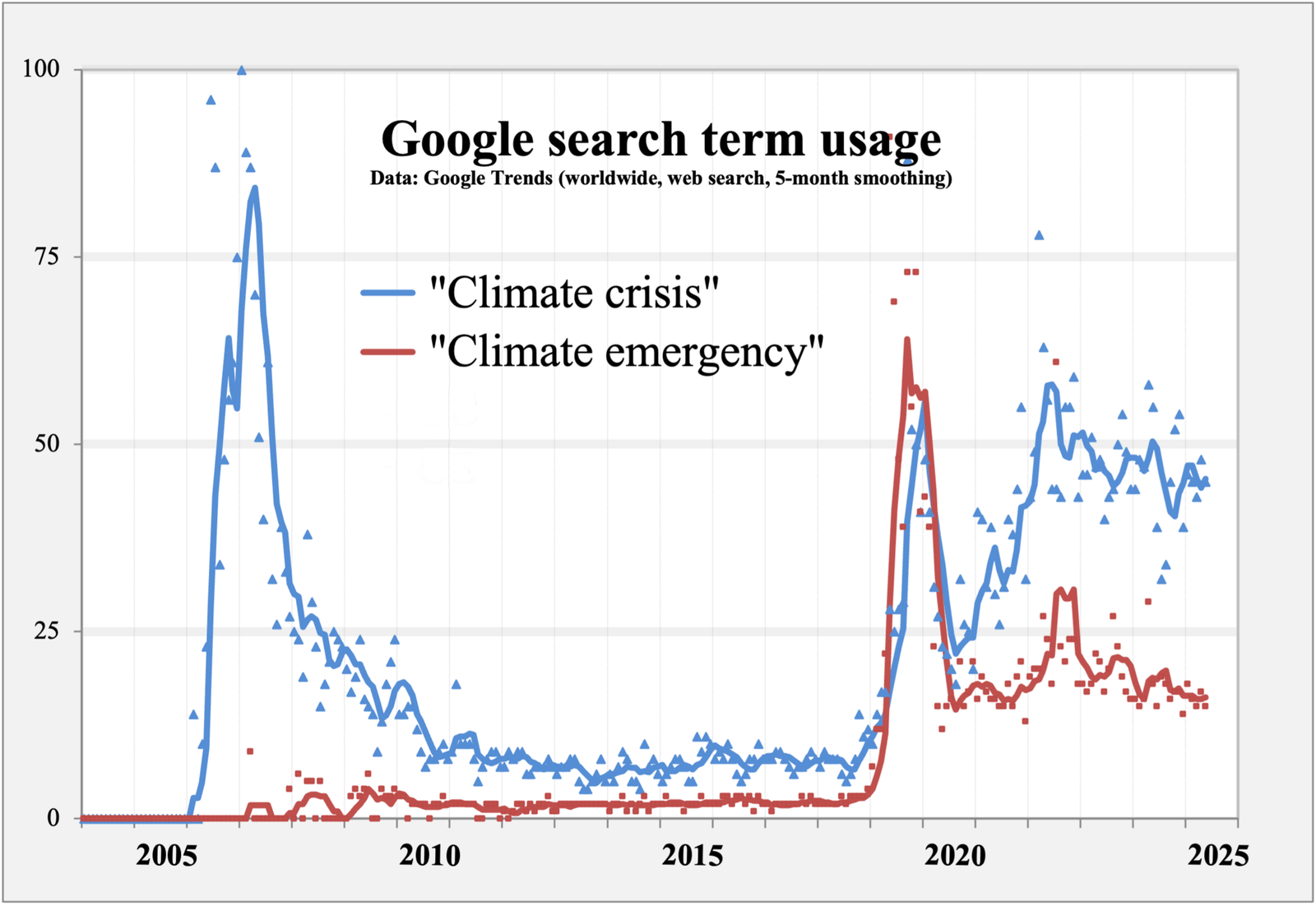
August 2026 tied hottest month on record: why cricket boards are scrambling to keep the game playable
August 2026 matched July 2023 as the warmest month ever measured. For cricket, already stressed by heat illness, tight scheduling and air pollution, the record signals a structural crisis that fragmented board policies are not equipped to handle. Australia has guidelines. Most other nations do not. The ICC is still developing them.
-

Spider-Man reflexes, cricket physics: why elite fielders operate like superheroes
The blockbuster Spider-Man: Brand New Day has reignited conversation about superhuman athleticism. But elite cricket fielders, who read a bowler’s intentions in milliseconds and execute impossible catches, actually demonstrate the neural and biomechanical precision the film portrays as fiction. What neuroscience reveals about the real superpowers at work in slip fielding and outfield excellence.
-

India’s Historic 2001 Eden Gardens Victory: How Laxman and Dravid Broke Australia’s 16-Match Winning Streak
VVS Laxman’s 281 and Rahul Dravid’s 180 combined in a dominant 376-run partnership that rescued India from follow-on and handed Australia their first Test defeat in 16 matches. The victory at Eden Gardens remains one of cricket’s most compelling comebacks.
-
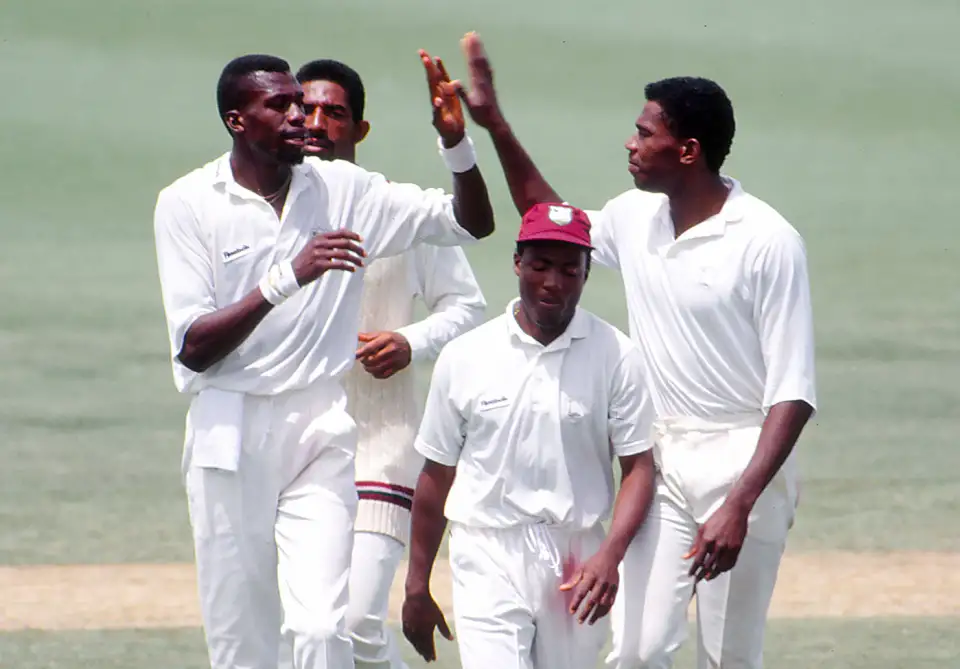
The One-Run Escape: West Indies’ Final Victory Over Australia in 1993
In January 1993, West Indies defeated Australia by a single run at Adelaide—cricket’s narrowest Test victory. With Australia needing just two runs and Craig McDermott at the crease, the match ended in heartbreak for Allan Border’s side, who came closer than ever before to claiming their first Frank Worrell Trophy since 1989–90.
-

Why Jim Laker’s 19-wicket record is structurally impossible to break
In 1956, England’s Jim Laker took 19 wickets at Old Trafford. No bowler has come close since. The reason isn’t a lack of skill—it’s that modern cricket has evolved in ways that make his feat mathematically and structurally unrepeatable.
-
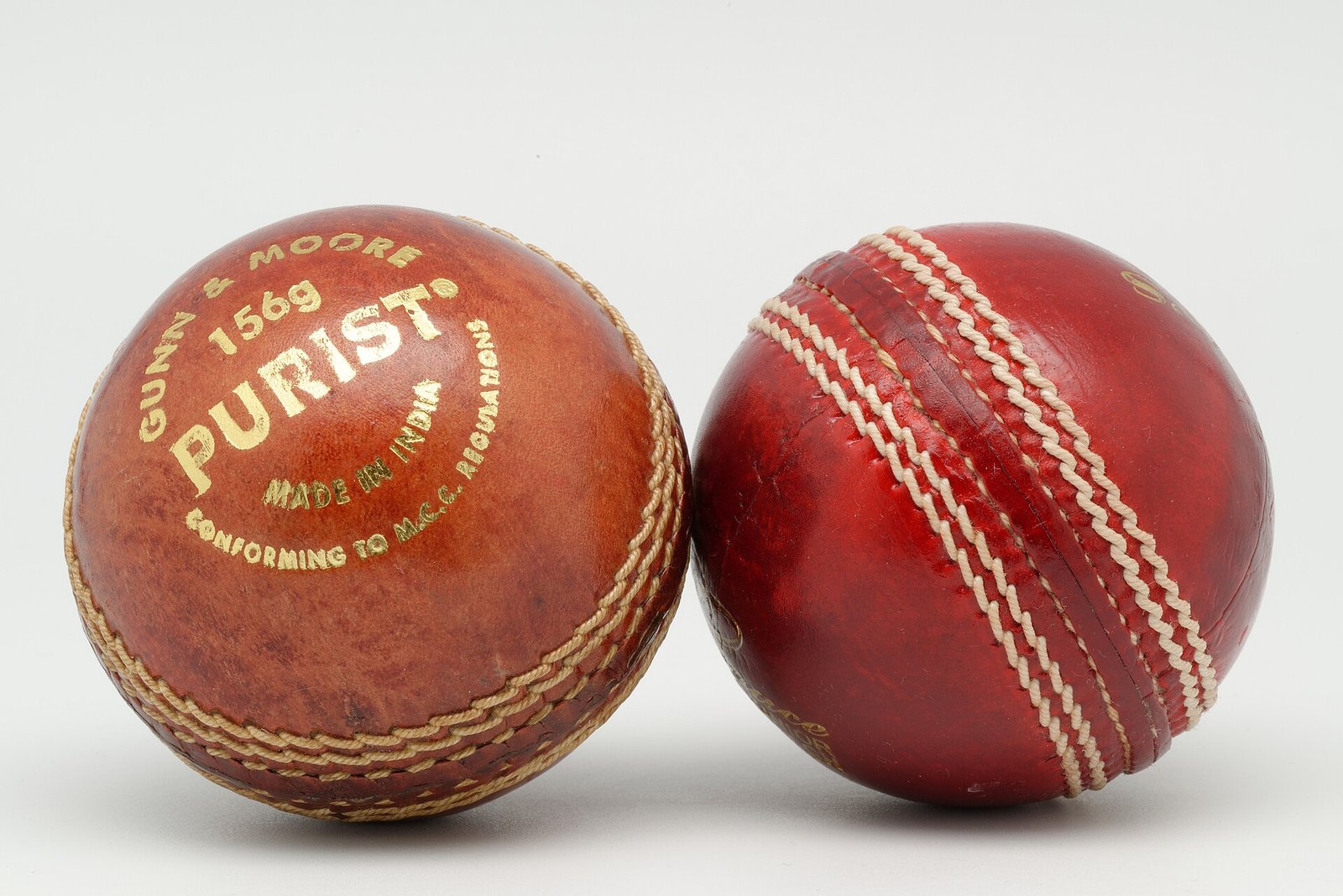
Red, white, pink: why cricket balls changed colour, and what the science actually says
Cricket’s traditional red ball was born from 18th-century dye availability, but day-night Tests demanded white, then pink. Yet academic research reveals an uncomfortable truth: players and umpires find the pink ball harder to see than the red one at the moments that matter most.
-

Soft Power Without Teeth: How the Artemis Accords and Cricket Governance Survive Without Enforcement
The Artemis Accords and international cricket governance share an unusual feature: neither has binding enforcement mechanisms. Instead, both rely on transparency, reputational pressure, and formal participation rights for smaller players. But this model works only when dominant players remain invested and trust holds—a bargain that becomes increasingly fragile under stress.
Must Read
A hand-picked starting point for the stories and explainers that define Curious Boundary.
-

Murder, DRS and the Problem With “Settled” Decisions
Netflix’s September 2026 release of Monster: The Lizzie Borden Story reignites the 134-year debate over an acquittal that never quite settled public doubt. Cricket audiences know this tension intimately: the drama of objective re-examination challenging settled authority. What the case reveals about evidence, finality and the burden of proof has echoes in how the DRS…
-

From hockey stick to precision blade: how the straight bat saved cricket
Cricket bats were curved like hockey sticks until bowlers began pitching the ball in the mid-1700s. That single change forced batsmen to redesign their equipment—and overarm bowling’s legalization in 1864 simply refined what was already underway.
-

Test Cricket’s First Tie: How the Impossible Happened at Brisbane in 1960
On 14 December 1960, the West Indies and Australia produced Test cricket’s first—and still one of only two—tied match. A run-out on the final ball, a collapsing chase, and a counter-attack that nearly salvaged the impossible made the Gabba encounter unforgettable.